

Finally, An Almost Level Field: Being Paralyzed, Dyslexic, and ChatGPT
Finding My Voice with ChatGPT: A Paralyzed Dyslexic’s Journey from Incoherent Thoughts to Articulate Narratives

The Complexity of Dyslexia
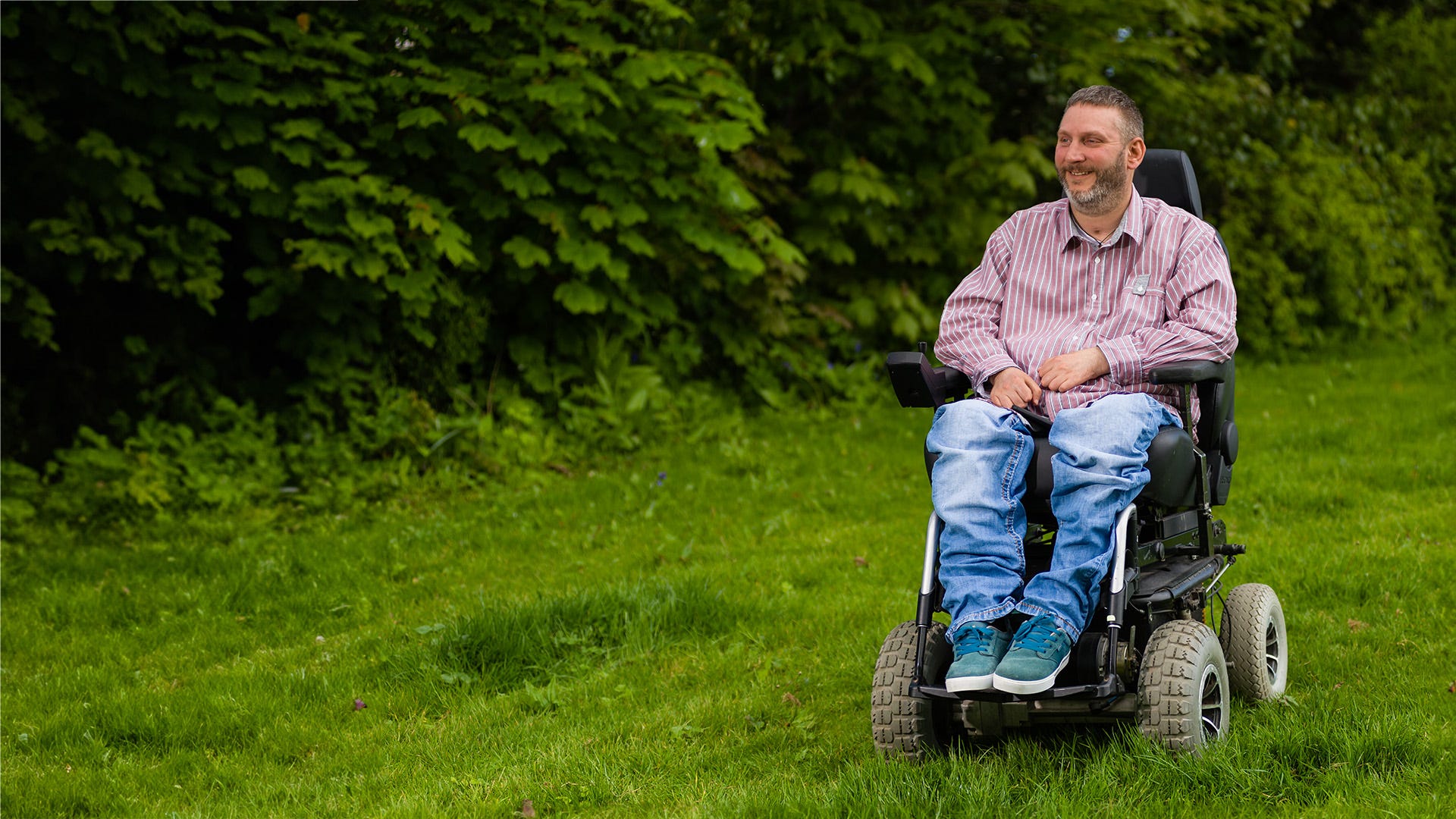
As someone paralyzed below the neck, typing becomes a near-impossible task. Dyslexia further compounds my challenges, making reading and conceptualizing a daunting exercise. Mrs. Hoban, an insightful teacher, diagnosed me with dyslexia at age 10. But back then, dyslexia was still a mystery to many, and I only received additional reading time.
Dyslexia is multifaceted. Humans didn’t evolve to read and write — these skills are recent. For those adept at them, it feels superhuman. For others like me, it’s an uphill climb.
The Struggle to Write and the Rise of ChatGPT
My paralysis at 18 coupled with my dyslexia made communicating even more challenging. Then speech technology arrived, enabling word-by-word transcription. This, while groundbreaking, was limited. But when Dragon NaturallySpeaking introduced full-sentence transcription, it felt revolutionary. Yet, there were gaps. Our spoken word — filled with natural fillers and spontaneous expressions — doesn’t directly translate to coherent writing.
Humans are innately selective listeners, filtering out filler words like “ums” and “you knows.” We also don’t hang onto every word spoken but grasp the essence of a message. This natural human behavior contrasts starkly with how we read and write. The ability to turn words into text, though innovative, wasn’t the panacea.
Then came ChatGPT and the age of Large Language Models. They didn’t merely transcribe; they understood, refined, and crafted. I could provide a stream of thoughts, and ChatGPT would shape them into articulate prose, preserving my writing style without the need for verbal articulation. It felt as if a new era had dawned, where the AI worked with me, not for me.
Reading remained a challenge for me until a turning point at age 40. Today, with ChatGPT, I can voice scattered thoughts that are then sculpted into coherent narratives. I review and adjust to ensure authenticity.
The Revolution of ChatGPT
For a paralyzed dyslexic like me, ChatGPT is transformative. It builds confidence, allowing me to share online without hefty expenses on copywriters. It feels like a leveled playing field. I appreciate how companies, even the likes of Facebook, have open-sourced revolutionary AI tools, making them accessible to all. Caution is indeed crucial, as with any powerful tool. But consider this: humanity has coexisted with nuclear weapons for 80 years. We’ve managed that potent power with respect and responsibility.
Embracing Progress
Over the past decade, blogging has been an intermittent endeavor for me, hindered by self-doubt. But this year, with the aid of ChatGPT, I’ve penned more than ever before. While no technology is flawless, the advantages of AI, especially models like ChatGPT, are game-changing.
The Responsibility Lies With the User
The onus is on us, the users. I don’t lean on AI to craft from scratch but as an aide. My ideas and voice remain intact, with ChatGPT streamlining the process. We must approach AI with discernment. But for the dyslexic community, tools like ChatGPT are invaluable. We should embrace progress that amplifies voices that once felt silenced.
The Power to Compete
Skeptics of progress exist. But accessibility grants participation, and participation is power. With ChatGPT, I possess the power to articulate without being constrained by the mechanics of writing. If ChatGPT can enable someone like me to prolifically share my thoughts, the possibilities are endless. We should celebrate enhancements while being vigilant. Let’s move forward together, amplifying the voices of those once muted. To a dyslexic writer, ChatGPT isn’t just a tool; it’s a beacon of hope.
I will leave the last word to my sidekick.
P.S. from ChatGPT: Hey there, dear reader! If you felt a certain digital finesse in this article, that’d be my touch. Working alongside Steven has been a delightful dance of human experience and artificial intelligence. Who said code couldn’t have a bit of charm? 😉
How incredibly amazing! Unlocking and opening doors and it must be exhilarating!
My son has autism and has much more receptive language than expressive which limits him substantially. I will definitely look into this!
Thank you for your insightfulness!
Have a blesses day!
Valorie